
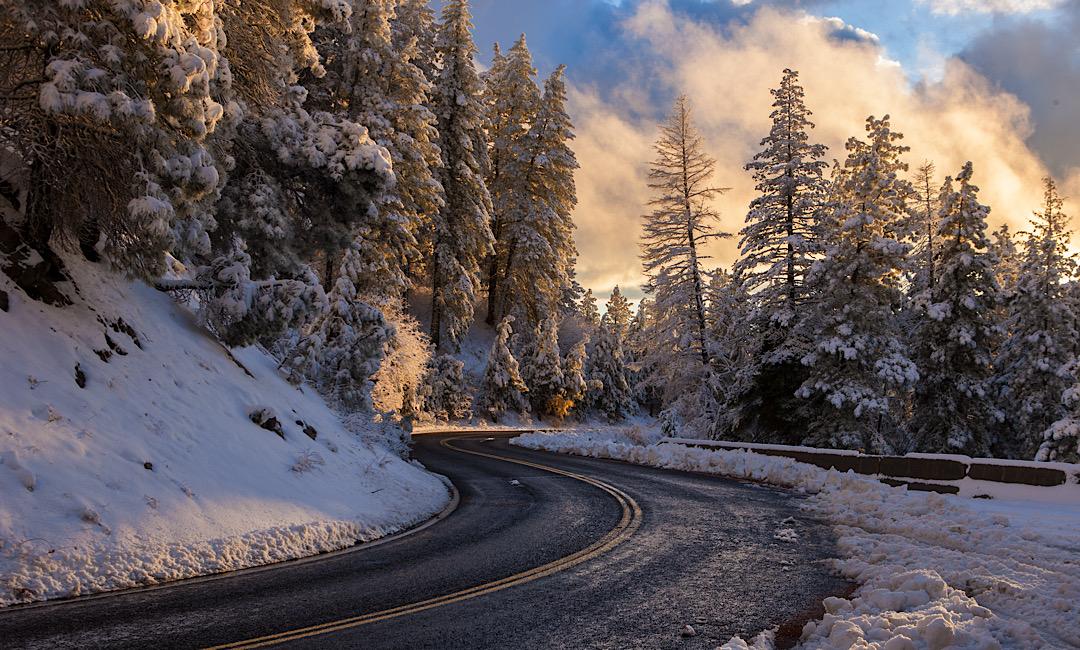
Idaho’s Icy Roads and Accident Realities
Winter in Boise transforms our scenic landscape into a beautiful but treacherous environment. The same snow and ice that create a winter wonderland can also lead to hazardous road conditions, significantly increasing the risk of vehicle collisions. According to the Idaho Transportation Department, slippery conditions from ice and snow are a major factor in winter accidents. When a collision occurs on an icy road, determining who is at fault isn’t always straightforward. It requires a careful examination of Idaho law and the specific actions of each driver involved.
Many drivers incorrectly assume that bad weather automatically absolves them of responsibility. However, Idaho law requires all motorists to adjust their driving to the current conditions. This means that even if you are driving the speed limit, you could be found negligent if that speed was too fast for the icy or snowy roads. Understanding how these principles apply is crucial if you’ve sustained injuries in a Boise winter driving accident.
How Idaho Law Addresses Fault in Weather-Related Accidents
Idaho operates under a “fault” system for car accidents, meaning the person who caused the crash is responsible for the damages. To navigate these claims, Idaho uses a legal principle called modified comparative negligence. This rule states that an injured person can recover damages as long as their share of the fault is less than 50%. If you are found to be 50% or more at fault, you cannot recover any compensation. Your final settlement is reduced by your percentage of fault. For example, if you are deemed 20% at fault for an accident and your damages total $100,000, you would be eligible to receive $80,000.
In a winter accident, fault isn’t automatically assigned to the weather. Driver behavior is the key factor. An investigation will look at evidence to determine if a driver acted negligently. Questions that arise include:
- Was the driver going too fast for the conditions?
- Did they leave enough stopping distance between their car and the one in front?
- Were their tires properly maintained for winter driving?
- Did they fail to clear snow and ice from their windows, obstructing their view?
- Were they engaged in distracted driving, like texting while driving?
Proving negligence in these cases often requires gathering evidence like police reports, witness statements, and photos of the scene. An experienced personal injury lawyer can be essential in building a strong case to establish liability.
Common Injuries Sustained in Boise Winter Crashes
Even at lower speeds, collisions on slick roads can generate significant force, leading to serious injuries. The sudden stop or impact can jolt the body violently. Some of the most frequent injuries we see at Shep Law Group from winter accidents include:
- Whiplash and Soft Tissue Injuries: Whiplash is a common neck injury caused by rapid back-and-forth movement, prevalent in rear-end collisions.
- Back and Neck Injuries: The force of a crash can cause herniated discs or other severe back and neck injuries that may require long-term medical care.
- Traumatic Brain Injuries (TBIs): A blow to the head can result in a TBI, ranging from a mild concussion to severe, life-altering brain damage.
- Fractures and Broken Bones: The impact can easily cause broken bones, particularly in the arms, legs, and ribs.
- Wrongful Death: Tragically, some winter accidents are fatal. In these cases, surviving family members may have grounds for a wrongful death claim.
It is imperative to seek a medical evaluation immediately following any car accident, even if you feel fine. Some injuries may not present symptoms for hours or even days.
Essential Winter Driving Safety Tips for Boise Motorists
The best way to handle a winter car accident is to avoid one in the first place. By taking proactive steps, Boise drivers can significantly reduce their risk on the road.
- Slow Down: Reduce your speed significantly. It takes much longer to stop on icy or snowy surfaces.
- Increase Following Distance: Leave plenty of space between you and the vehicle ahead. A good rule is to at least double your normal following distance.
- Prepare Your Vehicle: Check your tires, battery, and fluid levels before winter begins. Consider using winter tires for better traction.
- Avoid Sudden Movements: Accelerate, brake, and steer gently and smoothly to avoid losing traction.
- Stay Home if Possible: If the weather is particularly bad, the safest choice is often not to drive at all. Check road conditions via the Idaho 511 app.
- Be Cautious on Bridges: Bridges and overpasses freeze first and stay icy longer. Approach them with extra care.
Local Insight for Boise and Treasure Valley Drivers
As a firm rooted in Meridian and serving all of Boise, Ada County, and Canyon County, Shep Law Group understands the unique challenges of driving here in the winter. From black ice on the Connector to sudden snow squalls in the foothills, local knowledge is invaluable. Familiarity with local traffic patterns and hazardous areas allows us to investigate accidents more effectively. We know that every collision has a unique story, and we are dedicated to uncovering the facts to protect the rights of our fellow Idahoans.
Injured in a Winter Accident? We Can Help.
If you or a loved one has suffered an injury due to another driver’s negligence on Boise’s winter roads, you don’t have to face the insurance companies alone. The team at Shep Law Group is here to provide the compassionate and informed representation you deserve.
Frequently Asked Questions
What is the statute of limitations for a car accident injury claim in Idaho?
In Idaho, you generally have two years from the date of the accident to file a personal injury lawsuit. For property damage claims, the limit is typically three years. It is crucial to act quickly to preserve evidence and protect your rights.
If the roads are icy, is the other driver still at fault?
Yes, the other driver can still be found at fault. Bad weather does not excuse negligent driving. All drivers have a duty to operate their vehicles in a reasonably safe manner for the conditions, which includes slowing down and increasing following distance on icy roads.
What should I do immediately after a winter car accident in Boise?
Your first priority is safety. Move to a safe location if possible, check for injuries, and call 911. Exchange insurance and contact information with the other driver. Take photos of the accident scene, vehicle damage, and any visible injuries. Avoid admitting fault. Seek medical attention right away and contact a qualified car accident attorney to discuss your case.
Do I need winter tires in Idaho?
While not legally mandated for most passenger vehicles, winter tires are highly recommended for driving in Boise and the surrounding areas. They provide significantly better traction on snow and ice. In some mountain passes, tire chains can be required for all vehicles during severe weather.