
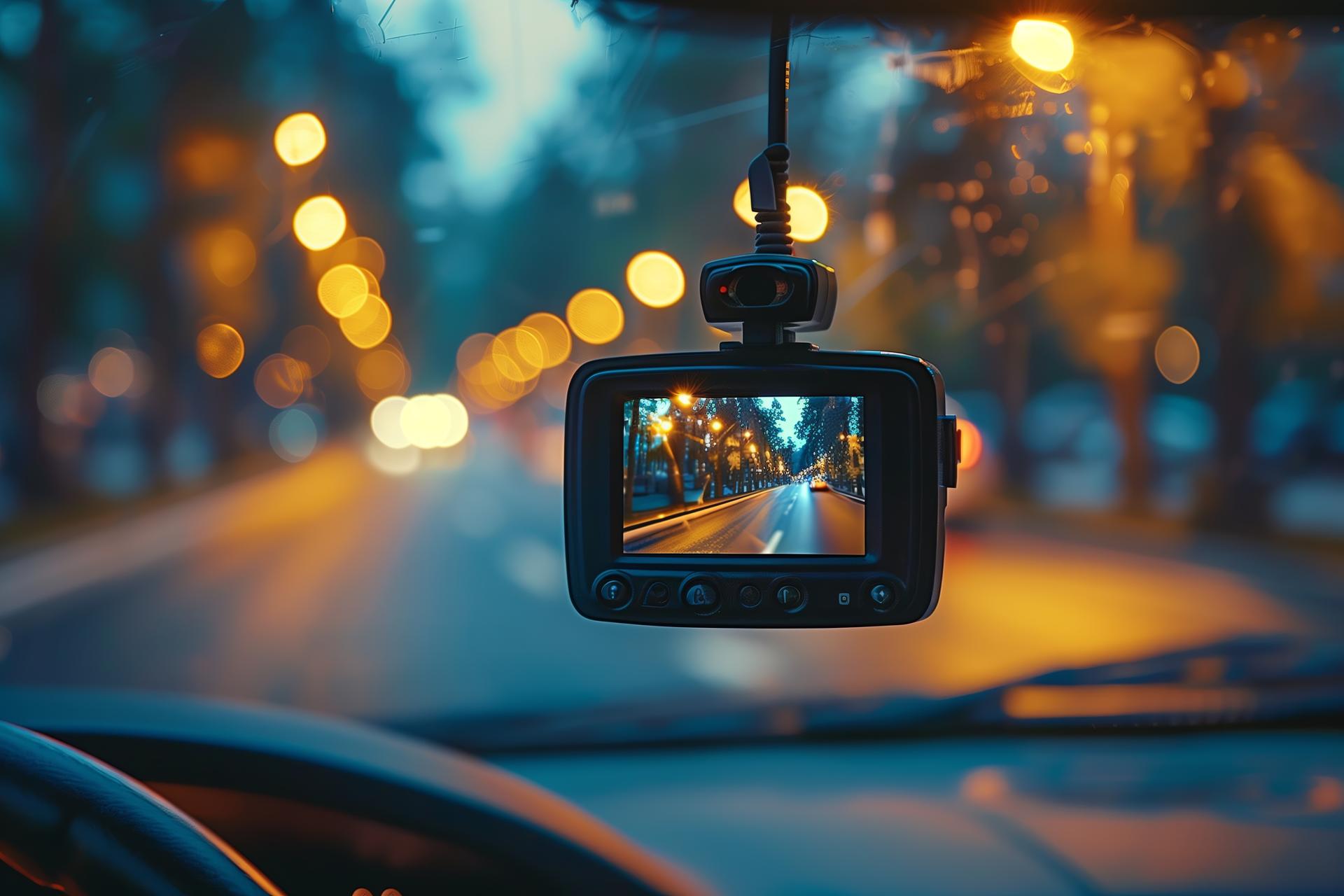
Fast evidence disappears faster than injuries heal
Dashcams, business security cameras, and law-enforcement recordings can make or break an Idaho injury claim—especially when fault is disputed, a commercial vehicle is involved, or the story changes after the fact. The problem is timing: many systems automatically overwrite footage on a rolling basis, sometimes in days or weeks. A properly drafted preservation letter (sometimes called a spoliation letter) is one of the most practical tools for putting the other side on notice that key evidence must be retained, not erased.
This guide explains what a preservation letter is, when to send it, what to demand (including dashcam data), and how this fits into civil litigation in Boise, Meridian, Ada County, Canyon County, and across Idaho—without getting lost in legal jargon.
What “spoliation” means in plain English
Spoliation is the destruction, loss, alteration, or failure to preserve evidence that may be relevant to a legal dispute. In a crash case, that can include:
• Dashcam footage (vehicle or fleet camera)
• Cell-phone data and metadata (texts, call logs, app activity—where relevant)
• Vehicle “black box” / event data recorder (EDR) information
• Photos taken at the scene (or stored on devices/accounts)
• Business CCTV from a nearby storefront
• Law enforcement dash/body-worn camera recordings (where applicable)
When spoliation happens, courts can impose consequences—ranging from evidence limitations to sanctions—depending on the circumstances and procedural posture. (The right strategy depends on your facts and whether litigation is pending.)
Why dashcam and video evidence is uniquely time-sensitive
Most video systems are designed for convenience—not litigation. Many are configured to overwrite older recordings automatically to save storage space. That creates a predictable risk: by the time an injured person starts physical therapy, talks to an adjuster, or consults a lawyer, the footage may already be gone.
Public agency and institutional systems can also have defined minimum retention periods. For example, Idaho legislation has addressed “law enforcement media recordings” retention timeframes, including shorter retention windows for recordings without “evidentiary value,” and longer windows for recordings with evidentiary value.
Separate from law enforcement, organizations often keep surveillance video only briefly. As one example of a published Idaho policy, Boise State University’s public safety camera policy states video is retained a minimum of 30 days and may be erased/recorded over after that unless kept for an investigation or proceeding.
The takeaway for Boise-area drivers and businesses: act like you only have days—not months—to preserve video.
What a Boise preservation letter should do (and what it should include)
A good preservation letter is specific, practical, and hard to ignore. It’s not just “please keep everything.” It should:
1) Identify the incident clearly (date/time, location, parties/vehicles, claim number if known).
2) Put the recipient on notice that a claim is anticipated and evidence must be preserved.
3) List the evidence categories you demand be preserved (dashcam, CCTV, phone data, EDR, maintenance logs, driver qualification files, etc.).
4) Demand a litigation hold and suspension of auto-delete/overwrite settings for relevant systems.
5) Request confirmation in writing that evidence has been preserved and how it will be stored.
6) Provide a method for transfer (secure link, external drive, native format, metadata preserved).
Dashcam-specific must-haves:
• “Native” video files (not just a screen recording)
• Date/time stamps and device settings
• GPS/telemetry if the system records it
• Front/rear/interior camera angles (if multi-channel)
• Any event-triggered clips plus the “buffer” period (minutes before/after impact)
Preservation letters are commonly paired with a formal discovery later. If litigation proceeds, Idaho procedural rules and related authorities allow courts to impose sanctions for discovery failures in appropriate cases, which is one reason “notice” and documentation matter.
A quick comparison: who may have video, and how fast it can vanish
| Source of footage | Common examples | Why it disappears | Preservation letter target |
|---|---|---|---|
| Private dashcam / fleet cam | Personal dashcam; contractor fleet camera; rideshare driver cam | Loop recording overwrites storage; device damaged; app account resets | Driver, employer, vehicle owner, fleet manager, insurer |
| Business CCTV | Gas station, warehouse, HOA cameras, jobsite trailer cameras | Short retention settings; storage limits; vendor-managed systems | Property owner, tenant/business operator, security vendor |
| Law enforcement media recordings | Body-worn cameras, patrol dash cameras | Agency retention schedules can be limited; storage policies vary | Agency public records officer / legal counsel (plus formal records request when appropriate) |
Idaho discussion around body/dash camera retention has included minimum periods such as 60 days for recordings without evidentiary value and 200 days for recordings with evidentiary value (as described in coverage and policy summaries of HB 499).
The Boise-area angle: why preservation matters for construction professionals
In Boise, Meridian, and the surrounding Treasure Valley, many collisions involve work trucks, subcontractors, delivery vehicles, or commuting to and from jobsites. For construction managers, contractors, and business owners, video evidence can help address issues like:
• Whether a vehicle was operating in the course and scope of work
• Whether a driver was distracted (including device use) or fatigued
• The true sequence of events in a rear-end or lane-change collision
• What happened at an intersection when witnesses disagree
If you operate a fleet, preservation works both ways: it can protect your company from false claims and help you resolve legitimate ones quickly. The sooner you treat an incident as a potential claim and secure the data, the fewer surprises you’ll face later.
If a dispute escalates beyond an insurance claim, having organized records in a durable format matters. Idaho law recognizes standards for retaining records digitally in ways that prevent unauthorized alteration and allow accurate reproduction.
If you were injured
Preserve your own footage first (remove the SD card, back up files, keep the device). Then move quickly to preserve third-party video before it’s overwritten.
If your business is involved
Implement an internal “litigation hold” process so drivers, dispatch, and IT know when to stop routine deletion and export relevant clips in native format.
For related disputes that go beyond crashes—like vendor contract conflicts, jobsite disagreements, or insurance coverage fights—preservation habits still apply. When the stakes are high, the details matter.
Learn about contract dispute representation (helpful if your dispute involves agreements, change orders, or performance issues).
Read about insurance disputes (when a carrier delays, denies, or underpays).
Need help sending a preservation letter in Boise or Meridian?
Shep Law Group helps people and businesses protect critical evidence early—before footage is overwritten or devices disappear. If you’re dealing with a crash claim, a fleet incident, or a dispute where video matters, getting the right notice out quickly can change the outcome.
Request a Consultation
Prefer mobile? Use the contact form—quick to complete from your phone.
Practical note: Every situation is different. Preserving evidence is time-sensitive, and the best approach depends on who has the footage, what systems were used, and whether a lawsuit is expected.
FAQ: Preservation letters, spoliation, and dashcam evidence in Idaho
How soon should I send a preservation letter after a Boise crash?
As soon as you can identify who likely has video or data. Many systems overwrite automatically, so waiting even a couple of weeks can be risky. If injuries require immediate care, preserve your own device/media first, then send notice to third parties promptly.
Is a preservation letter the same as a subpoena?
No. A preservation letter is a notice to retain evidence. A subpoena (or other court-authorized process) is typically used to compel production in litigation or formal proceedings. Often, preservation happens first; production comes later through the proper legal channels.
What if the other side says the dashcam “doesn’t exist” or “was overwritten”?
That’s where timing and documentation matter. A well-targeted letter requests confirmation of the device, retention settings, chain of custody, and any steps taken to prevent deletion. If litigation proceeds, courts can address failures to preserve or produce evidence through procedural mechanisms and, in some cases, sanctions.
Can I request law-enforcement bodycam or dashcam footage in Idaho?
Sometimes, yes—often through the appropriate public records request process (with exemptions and rules that can apply). Retention can be limited, and agencies may treat recordings differently depending on “evidentiary value.”
Do preservation letters help with business disputes, too?
Yes. If a dispute may involve emails, jobsite logs, photos, payment records, or surveillance video, early preservation can reduce “missing file” problems later—especially when vendors, subcontractors, and insurers all have pieces of the record.
For help with related disputes, you can also explore Shep Law Group’s Civil Litigation practice area.
Glossary
Preservation Letter (Spoliation Letter): A written notice demanding that a person, business, or agency preserve specific evidence because a claim is anticipated.
Litigation Hold: An internal instruction to stop routine deletion/overwriting and preserve relevant records (digital and physical) once a dispute is reasonably anticipated.
Native Format: The original file format produced by the device/system (often includes metadata), rather than a re-recorded or compressed copy.
Metadata: “Data about data,” such as timestamps, GPS location, device identifiers, and file history that can help authenticate video or documents.
EDR (Event Data Recorder): A vehicle system that may record certain information around a crash event (depending on the vehicle and circumstances).
Next step
If you suspect a dashcam, CCTV, or law-enforcement recording exists—don’t wait for an insurance company to “get around to it.” Evidence preservation is one of the few things you can control early.
Contact Shep Law Group to discuss a preservation plan tailored to your situation.