
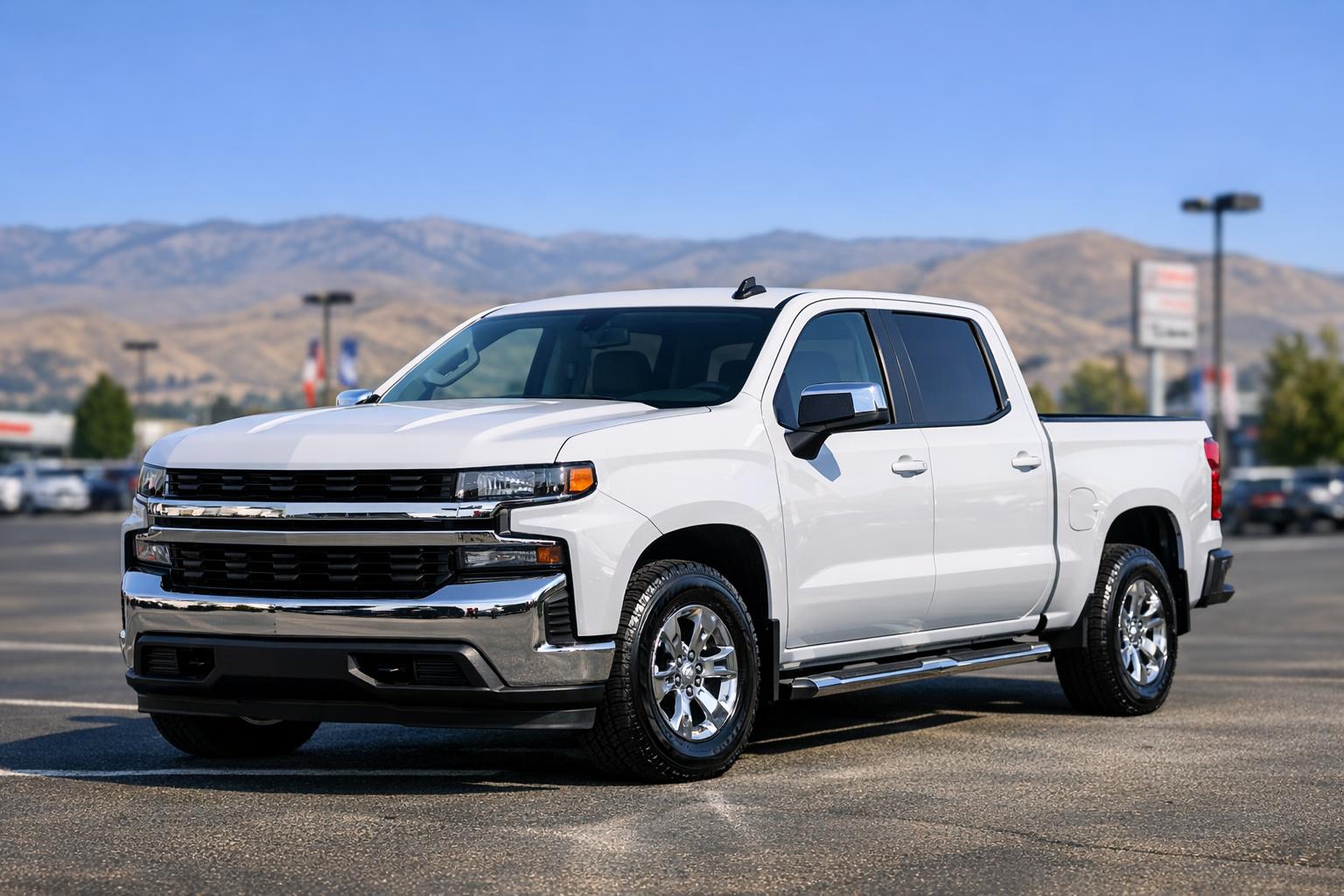
Your car may be “fixed,” but its market value can still drop—especially in Idaho’s resale market
After a crash, most drivers focus on repairs. But even high-quality repairs can leave a permanent mark on your vehicle’s history—and buyers (and dealers) often pay less because of it. That loss is commonly called diminished value. If you’re in Boise or the Treasure Valley and you’re searching for an Idaho diminished value claim, this guide explains how it works, what to document, and how to position your claim for a fair outcome.
What “diminished value” means (and why it matters)
Diminished value is the difference between what your car was worth right before the collision and what it’s worth after the collision, even after repairs are completed. A vehicle can lose value because:
Accident history reduces buyer confidence (e.g., Carfax/AutoCheck entries).
Perception of hidden issues (alignment, frame concerns, electronic systems, ADAS sensors).
Stigma is stronger for newer vehicles or vehicles with high resale demand (trucks and SUVs are common examples in Idaho).
OEM vs. aftermarket parts or repair quality disputes can affect appraised resale value.
First-party vs. third-party diminished value in Idaho (the key distinction)
In Idaho, how you make a diminished value claim depends on whose insurance is paying:
| Claim Type | Who You’re Claiming Against | Practical Takeaway in Idaho |
|---|---|---|
| First-party DV | Your own insurer (collision coverage) | The Idaho Department of Insurance notes that an insurer is not obligated to pay diminished value unless the policy contract says so. Review your policy language carefully. |
| Third-party DV | The at-fault driver’s insurer | Often, the more common path: you’re asserting that the at-fault party caused a property loss beyond repair costs (the market value hit). |
Why this matters:
If you’re pursuing third-party diminished value, you’re typically negotiating as a claimant against the at-fault insurer. If you’re pursuing first-party diminished value, the starting point is your policy language and any dispute-resolution tools in your contract.
Timing: don’t sleep on Idaho’s property-damage lawsuit deadline
A diminished value claim is typically treated as part of property damage. In Idaho, property damage lawsuits generally have a 3-year statute of limitations (commonly cited under Idaho Code § 5-218). While you may try to resolve the claim through insurance negotiation, the legal deadline matters—especially if negotiations stall.
Practical tip: Start documenting your diminished value as soon as repairs are complete. Waiting months can make it harder to prove the value difference and can reduce negotiating leverage.
Step-by-step: how to build a strong Idaho diminished value claim
1) Confirm the repair file is complete
Keep your repair estimate(s), supplements, final invoice, and photos. If calibration, alignment, or diagnostic scans were done (common on modern vehicles), keep those too.
2) Document the vehicle’s pre-loss condition and value
Save pre-crash photos, maintenance records, mileage logs, and any prior appraisals. If you recently bought the vehicle, your purchase agreement can be a useful context.
3) Get evidence of post-repair market impact
Diminished value is about market reality. Helpful evidence often includes: dealer trade-in offers that reflect accident history, comparable listings, and (in many cases) a professional diminished value appraisal.
4) Make a clear written demand
A good demand package is organized and easy to follow. Include: crash facts, liability confirmation (if known), repair documentation, and your DV support. Ask for a specific dollar amount and request a written response.
5) Push back on “quick formulas” that don’t match your facts
Some insurers use simplified valuation approaches. If the number doesn’t reflect real-world resale impact in Boise or the Treasure Valley, ask what data and comparables they relied on—and present yours.
6) Escalate strategically when negotiations stall
Options may include supervisor review, formal disputes under policy terms (if first-party), and—when appropriate—regulatory complaints or legal action. The Idaho Department of Insurance has a process to file a consumer complaint regarding an Idaho insurance policy or claim handling (they generally cannot “set” your claim value, but they can review conduct and compliance).
Quick “Did you know?” facts about diminished value
Newer vehicles often see higher DV exposure. A late-model truck or SUV can take a bigger resale hit than an older vehicle with prior history.
“Perfect repairs” don’t erase accident history. Many buyers discount repaired vehicles even when the work is high quality.
Total loss rules are different. If the vehicle is totaled, the issue is usually actual cash value (ACV), not DV after repairs.
First-party DV may be policy-driven. In Idaho, the obligation to pay first-party DV depends on the contract language.
Boise & Treasure Valley angle: why local market behavior matters
In Boise, Meridian, and across Ada and Canyon Counties, resale demand for clean-title vehicles can be strong—especially for trucks and practical SUVs. That demand can make accident history more “expensive” because buyers have plenty of alternatives. If your work keeps you on the road (construction managers, contractors, and business owners), a DV loss can hit twice: reduced resale value and reduced leverage when trading in for the next work vehicle.
Local documentation ideas: If you received trade-in quotes from Boise-area dealers, keep them. If you have comparable listings from Idaho sellers showing different prices for “clean history” vs. “accident reported,” keep those too.
Talk with Shep Law Group about your diminished value options
If an insurer is minimizing the loss, disputing valuation, or delaying progress, it helps to have a clear strategy and a well-supported demand. Shep Law Group serves clients in Boise, Meridian, Ada County, Canyon County, and across Idaho—bringing practical, responsive guidance when you need it.
FAQ: Idaho diminished value claims
Can I file a diminished value claim in Idaho?
Many Idaho drivers pursue diminished value as part of property damage—most commonly as a third-party claim against the at-fault driver’s insurance. If you’re trying to pursue diminished value through your own policy, coverage may depend on policy language.
Will my insurance company pay diminished value in Idaho?
Not automatically. The Idaho Department of Insurance explains that insurers are generally not obligated to pay diminished value unless the policy contract provides for it. Review your policy and ask for a written explanation if your request is denied.
How long do I have to pursue diminished value in Idaho?
Diminished value is usually tied to property damage timelines. Idaho property damage lawsuits are commonly subject to a 3-year statute of limitations (often cited under Idaho Code § 5-218). Because deadlines can be fact-specific, it’s smart to confirm your dates early.
Do I need a diminished value appraisal?
It depends on the dispute. If the insurer offers a number that doesn’t match real market impact, an appraisal or strong local comparables can help justify your demand. The goal is to show what buyers in your market would pay with and without the accident history.
What if the insurer won’t respond or keeps delaying?
Escalate in writing, request supervisor review, and keep a clean timeline of calls/emails. If the issue involves claim handling under an Idaho policy, you can also consider filing a consumer complaint with the Idaho Department of Insurance. If delays threaten your legal deadline, talk with counsel promptly.
Glossary (plain-English terms)
Diminished Value (DV): The reduction in a vehicle’s market value after an accident, even when repairs are completed.
First-Party Claim: A claim you make under your own insurance policy (for example, using collision coverage).
Third-Party Claim: A claim you make against someone else’s insurer (typically the at-fault driver’s liability coverage).
ACV (Actual Cash Value): The vehicle’s value immediately before a loss, considering age, mileage, and condition (often discussed in total loss cases).
Statute of Limitations: The legal deadline to file a lawsuit. For Idaho property damage, it’s commonly cited as 3 years under Idaho Code § 5-218.